

Does a sip of ice water make you wince? Do hot coffee, sweet treats, or even a breath of cold air cause a sharp sensation in your teeth? Tooth sensitivity is a common concern, but that does not mean you should ignore it. The discomfort may be related to exposed tooth surfaces, gum recession, enamel wear, or another dental issue that deserves attention. Understanding the possible causes can help you decide what to do next and when to seek advice from a dentist in Winnipeg.
What Causes Tooth Sensitivity?
Tooth sensitivity often develops when the protective enamel covering a tooth wears down or the gums recede and expose the underlying root surface. These areas can respond to temperature changes, sweet foods, acidic drinks, or pressure. Brushing too aggressively, grinding your teeth, consuming acidic foods and beverages frequently, or having gum recession may contribute to the problem. However, sensitivity can also occur because of a cavity, a cracked tooth, a worn filling, or another dental concern. The location, duration, and severity of the discomfort can help your dentist determine what may be happening.
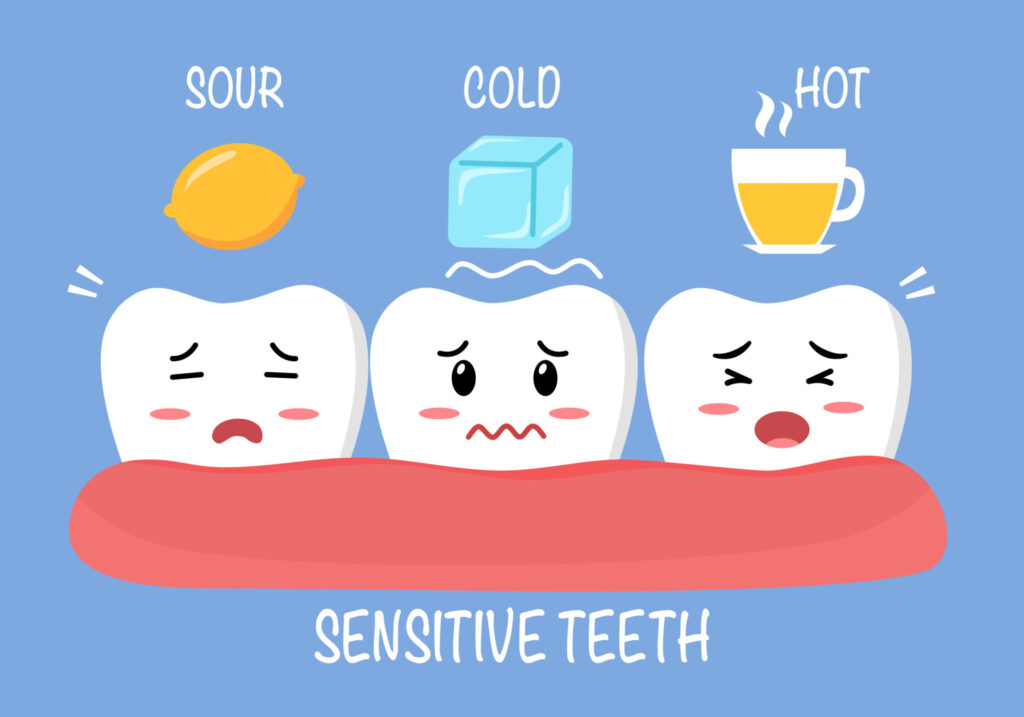
Why Do Cold Drinks Make My Teeth Hurt?
Cold temperatures can trigger discomfort when the sensitive inner structures of a tooth are exposed or irritated. You might notice a brief, sharp sensation when drinking iced water, eating ice cream, or stepping outside into cold Winnipeg weather. If the discomfort disappears quickly after the trigger is removed, it may be consistent with ordinary tooth sensitivity, but that alone cannot establish the cause. Pain that lingers, becomes more intense, affects one particular tooth, or develops without an obvious trigger should be evaluated by a dental professional.
Can Brushing Habits Make Teeth More Sensitive?
Your daily oral hygiene routine plays an important role in protecting your teeth, but brushing harder does not necessarily clean them better. Using excessive pressure or a hard-bristled toothbrush can contribute to gum irritation and wear near the gumline. Consider using a soft-bristled toothbrush, gentle pressure, and fluoride toothpaste while brushing twice daily. A toothpaste specifically formulated for sensitive teeth may also help when used consistently according to its directions. If sensitivity continues, your dentist can assess your brushing technique and recommend products or changes suited to your needs.
Could Tooth Sensitivity Be a Sign of a Cavity?
Yes, tooth sensitivity can sometimes be associated with tooth decay, although many other conditions can cause similar symptoms. A cavity may initially produce little or no discomfort, while a more advanced area of decay may cause sensitivity to cold, heat, or sweets. A damaged filling, cracked tooth, or inflammation inside the tooth can also cause pain. Because these problems cannot reliably be distinguished by symptoms alone, it is important to arrange a dental examination when sensitivity persists or worsens. Identifying the underlying cause allows your dentist to recommend appropriate treatment instead of simply trying to manage the discomfort.
What Can You Do at Home to Reduce Tooth Sensitivity?
While you arrange an examination if needed, several practical steps may help reduce irritation. Brush gently with a soft-bristled toothbrush and fluoride toothpaste, and consider a toothpaste designed for sensitive teeth. Limit frequent exposure to acidic drinks and foods, such as soft drinks and citrus juices, because acids can contribute to enamel erosion. If you consume acidic foods or beverages, rinse your mouth with water afterward and wait about 30 to 60 minutes before brushing. Avoid deliberately testing a sensitive tooth with very cold or very hot foods. These measures may help manage symptoms, but they do not replace dental treatment when an underlying problem is present.
When Should You See a Dentist About Sensitive Teeth?
Occasional sensitivity can have several explanations, but recurring or worsening discomfort deserves attention. Book a dental examination if the sensitivity persists, repeatedly affects the same tooth, hurts when you bite, or interferes with eating and drinking. Seek prompt dental care for severe or spontaneous pain, a cracked tooth, or swelling. Swelling accompanied by difficulty breathing or swallowing requires emergency medical attention. A dentist can examine the affected area and determine whether the problem is related to enamel wear, gum recession, decay, a damaged restoration, or another condition. Early assessment can help prevent a manageable concern from becoming more complicated.
How Can Preventive Dental Care Help?
Regular dental examinations can help identify changes in your teeth and gums before they become more troublesome. Your dental team can look for signs of enamel wear, gum recession, decay, and other conditions that may contribute to sensitivity. Professional preventive care also provides an opportunity to review your brushing habits, discuss dietary factors, and choose suitable oral hygiene products. At iDental Centre, patients can learn more about available preventive dentistry services and discuss an individualized approach to maintaining healthy teeth and gums.
Find Out What Is Causing Your Tooth Sensitivity
You do not have to simply accept discomfort every time you enjoy a cold drink or a favourite food. Tooth sensitivity can have several causes, and the most effective way to address it is to identify the underlying issue. The team at iDental Centre provides dental care for patients in Winnipeg, including preventive and restorative services. If sensitive teeth are affecting your everyday comfort, contact the practice to arrange an assessment and discuss the next steps for protecting your smile.

